Anxiety & Overthinking
Quieting the racing mind that won't switch off — so you can think clearly, sleep better, and stop bracing for the next worry.
- Breath-led calming mudras
- Tools for racing thoughts
- Building a calmer baseline
Resilience & Coping
Practical tools to manage challenges effectively, so setbacks feel workable instead of overwhelming.
- Stress management techniques
- Emotional regulation skills
- Building mental toughness
Self-Awareness
Building real insight into your patterns and emotions, so your reactions make sense to you.
- Understanding emotional triggers
- Recognizing behavioral patterns
- Journaling and reflection practices
Goal Setting
Turning what matters to you into goals you can actually reach, one honest step at a time.
- Clarifying personal values
- Breaking goals into steps
- Tracking progress meaningfully
Habit Building
Supporting the small, repeatable routines that quietly reshape how your days feel.
- Morning and evening routines
- Consistency over intensity
- Accountability structures
Mindfulness
Cultivating a calm, present mind so you can meet each moment as it actually is.
- Breath awareness exercises
- Present-moment anchoring
- Reducing rumination
Nervous System Regulation
Helping your body come out of stress mode, so calm becomes a place you can return to.
- Polyvagal-informed techniques
- Somatic grounding exercises
- Co-regulation practices
Childhood Trauma
Gently working with the parts of you that learned to stay small, quiet, or on guard — so they don't have to run the show anymore.
- Inner-child centered practices
- Safe re-processing of early memories
- Rebuilding a felt sense of safety
Postpartum Depression
Support for the exhaustion, guilt, and disconnection that can follow birth — without judgment, and at whatever pace you need.
- Space to feel without guilt
- Nervous system recovery support
- Rebuilding bonding & identity
A blended approach
Conversation meets embodied practice
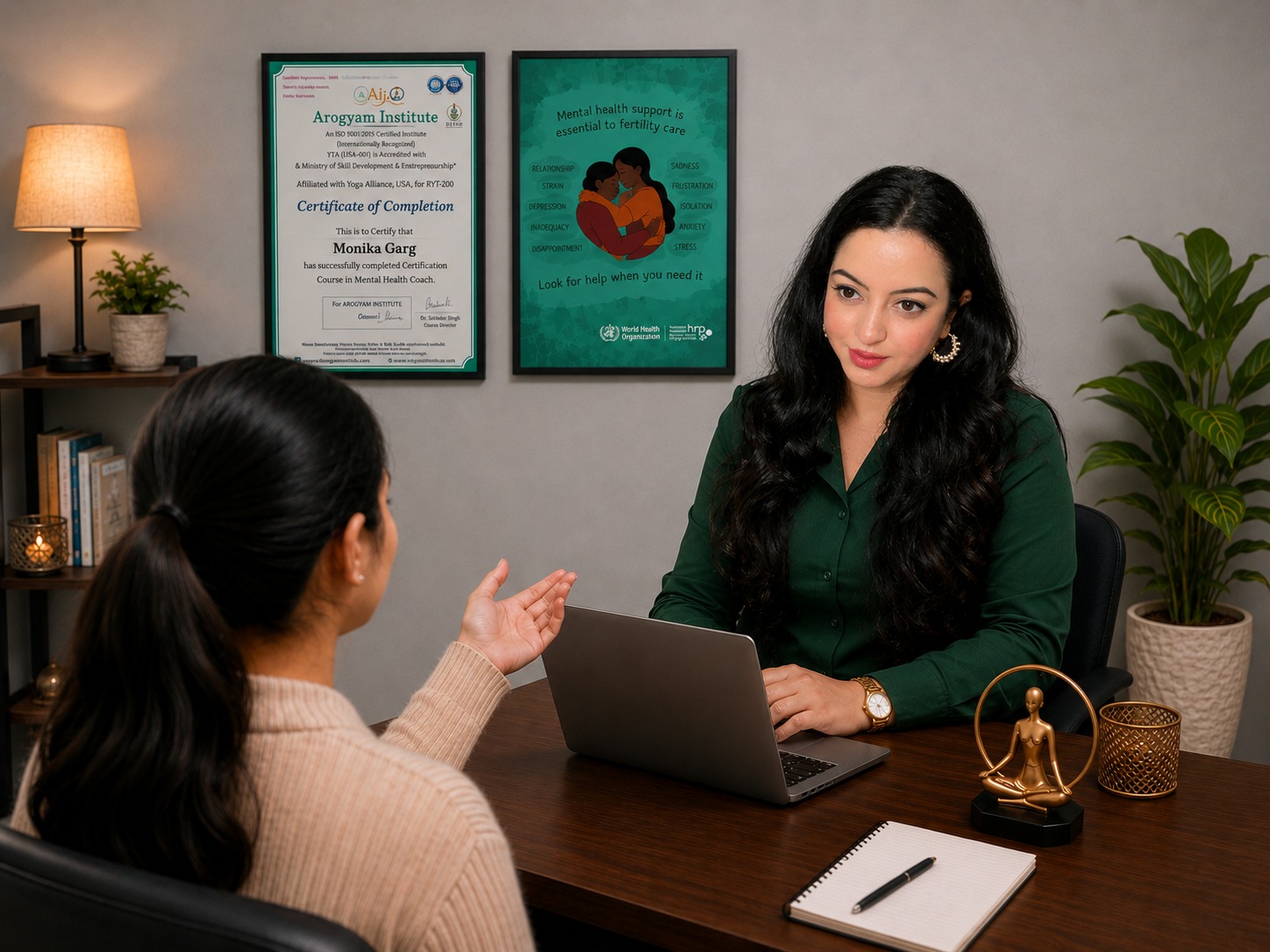
Traditional talk therapy has its place, but lasting change often happens when the body is involved too. I combine evidence-based coaching conversation with somatic tools — including mudra practice — so insight becomes felt experience, not just understanding.
- Conversational coaching for clarity and direction
- Somatic techniques to settle the nervous system
- Mudra and breath practices you can use anywhere
- Between-session support and habit tracking
The journey
What to expect
There is no one-size-fits-all path. But here is how most coaching relationships unfold.
Initial Assessment
We begin by understanding where you are — your current challenges, your history, and what you want to shift. This is a judgment-free space to be honest about what is not working.
Personalised Plan
Together we map out a direction. Not a rigid curriculum, but a living plan that adapts as you grow. We identify which pillars matter most right now and start there.
Ongoing Practice
Between sessions, you practice. Small tools, short exercises, and micro-habits that compound over weeks. I check in, adjust, and celebrate progress with you.
Ready to begin?
Start with a single conversation
No commitment required. The first session is a chance to see if this feels right — for both of us.
Book a Session